Independence Day, Ranked-Choice Wins and Jacinda Ardern: This Week in Women’s Representation

Weekend Reading for Women’s Representation is a compilation of stories about women’s representation in politics, sports and entertainment, judicial offices and the private sector—with a little gardening mixed in! 

This week:
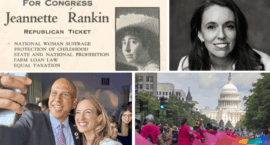
—This Friday marks the 249th anniversary of the signing of the Declaration of Independence. The journey for women’s equal representation remains unfinished.
—Zohran Mamdani looks poised to join 36-year-old Boston mayor Michelle Wu as part of a new generation of leadership in the U.S. Northeast. It’s time for more aging men like Cuomo to step aside and let more women step up. And if New York City is any indication, the voters may take matters into their own hands.
—St. Paul in 2023 elected an all-women city council in its ranked-choice voting elections. There’s now a vacant seat, and three women are among the four candidates running in an Aug. 12 special election.
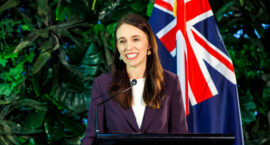
—Jacinda Ardern’s new book, A Different Kind of Power, highlights the shifting dynamics of power, how women are redefining what leadership can be, and the impact of fairer election systems for creating openings for new voices like her own.

… and more!

The Best Birthday Gift for Trump? Voting in Every 2025 Election

Weekend Reading for Women’s Representation is a compilation of stories about women’s representation. 

This week:
—2025 is often considered an off-year for elections, but that couldn’t be further from the truth.
—Washington, D.C., is the site of dueling images: Pride and Trump’s alleged celebration of U.S. military might.
—Hannah Pingree has joined the crowded Democratic field for governor in Maine.
—U.S. Rep Mikie Sherrill (D-N.J.) will join Virginia’s Abigail Spanberger as Democratic nominees for governor in races leaning toward Democrats.
—San Antonio elects Gina Ortiz Jones as mayor.
—Ranked-choice voting is a women’s issue.

… and more!

Weekend Reading on Women’s Representation: Honoring Stonewall’s Legacy; NYC Mayor Race Shows Benefits of Ranked-Choice Voting for Women

A compilation about women’s representation in politics, sports and entertainment, judicial offices and the private sector—with a little gardening mixed in!

This week:
— New York City Council Speaker Adrienne Adams is expected to qualify for public matching funds this week after a late surge in campaign donations, thanks to a surprising boost from a rival.
—progress made towards gender parity in international elections
—In South Korea’s June presidential election, young women played a pivotal role in electing Lee Jae-myung, leading one reporter to call it “the anti-anti-feminist election.”
—June is Pride Month, marking the anniversary of the 1969 Stonewall Uprising in New York City, a turning point in queer activism in the United States.

… and more.

Sundance 2025: ‘Prime Minister’ Shows What it Looks Like When a Leader Prioritizes Compassion Over Politics

If you want a glimmer of hope that there are still sane, compassionate and intelligent politicians in the world, Prime Minister—winner of the Audience Award in the World Cinema Documentary Competition—will offer just that and more.

Former New Zealand Prime Minister Jacinda Ardern’s sure-footed and community-minded approach to leadership shines through in this inspiring documentary directed by Michelle Walshe and Lindsay Utz.

Weekend Reading on Women’s Representation: Women-Led Convos at the DNC; Stacey Abrams and I Are Done With the Electoral College

Weekend Reading for Women’s Representation is a compilation of stories about women’s representation. 

This week: We recap the DNC; take a closer look at the 2024 Gender Parity Index, specifically in Michigan; analyze the results of the Alaska ranked-choice voting primary election for Congress and last month’s Rwanda parliamentary elections; and advocate for the importance of integrating a gender lens into all areas of philanthropy.

Making the New Zealand Case for Ranked-Choice Voting in the U.S.

This year is the 30th anniversary of a remarkable electoral reform triumph in New Zealand. In 1993, a citizen-led reform coalition pulled off a heroic upset in a referendum that replaced American-style winner-take-all elections with a “mixed member proportional” (MMP) system. We had a front-row seat, as our leadership in America’s nascent proportional representation movement earned us an invitation to support the campaign with events, strategy sessions and media interviews across the nation.

We wanted to mark this milestone with our reflections about what it takes to win such a transformative national change – and how best to translate those lessons into the very different world of politics of the United States. 

Violence Against Jacinda Ardern and Other Women Political Leaders Is an Attack on Democracy Itself

New Zealand Prime Minister Jacinda Ardern faced online vitriol at a rate between 50 and 90 times higher than any other high-profile figure.

Because men commit the vast majority of violence directed at women in politics, men who reject misogyny and violence have a special responsibility to call it out. What can men who believe in elementary fairness and other basic democratic values do? They can start by pushing back against the idea that violent rhetoric in politics is normal.

Jacinda Ardern Showed the Power of Women’s Leadership—And the Urgent Need for More

“The resignation of Jacinda Ardern reminds us that women continue to face barriers in politics, and that it is essential to build governmental workplaces that enable all to participate and succeed,” said Cynthia Richie Terrell, executive director and founder of RepresentWomen. “Even as leaders like Ardern have advanced women’s political representation, the pace of progress remains unacceptably sluggish.” 

The Power of Mobilizing Women in the Climate Crisis

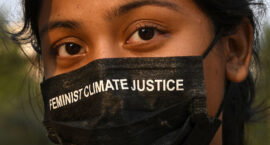
Women are by far the group most disproportionately affected by climate change. Yet, they are regularly left out of the conversation on a global scale. The United Nations estimates 80 percent of all people displaced by climate change are women and girls, who make up only 30 percent of global and national climate decision-making bodies. 

When thinking about the climate crisis, it is easy to become overwhelmed by dread and feelings of helplessness. But learning about the work of incredible women activists can provide a sense of hope and optimism as we all march forward into the impending storm. If we’re willing to listen to these women, we might actually be able to make it out of this alive. And dare I say, even better than before.