It’s Been a Hell of a Year for Feminists

Since Trump’s inauguration in January, we’ve seen a barrage of attacks on the rights of women, immigrants and undocumented people, people of color and LGBTQ+ people. The cruelty that the administration has shown has been astounding to witness.

But the resistance to this cruelty has been just as astounding. Millions taking to the streets, again and again. Neighbors stepping in and preventing ICE from kidnapping neighbors they may not even know. Democracy defenders taking to the courts, fighting the onslaught of unconstitutional executive actions. Courageous networks of doctors, nurses, midwives and regular people distributing abortion pills into red states and ensuring women have access to safe abortion no matter where they live. And of course, the major feminist victories in November’s elections—in which women made a decisive difference for our democracy. 

‘Freeing Black Girls’ and ‘Loving Black Boys’: Tamura Lomax on Revolutionary Mothering During Troubled Times

Tamura Lomax, a trailblazing Black feminist religious scholar, is on a mission to deliver a “Black feminist Bible on racism and revolutionary mother” with two companion books. The first, Freeing Black Girls, was published this year (2025); the second, Loving Black Boys, comes out next year.

Ms. contributing editor Janell Hobson spoke with Dr. Lomax about her latest works and the radical vision of “revolutionary mothering” that guides them.

“Black feminist mothering becomes this experiment. If people can teach sexism and hatred and racism, can we teach Black feminist politics? Is that possible? If we just do it from birth, and it’s just normal everyday talk it’s not this lesson that happens once at the dinner table but it’s just part of our everyday living. Can we do that the same way that we teach hatred?

“Revolutionary mothering is teaching those Black feminist politics everywhere—in the car, on the couch, during movie night, after the basketball game, in the football stands. It’s teaching a radical politics of our rights, our collective right to bodily autonomy first and foremost.”

Female Founders Fund’s Anu Duggal Is Betting Big on Women

When Anu Duggal invested in one of her earliest portfolio companies, many in her network hesitated—there were concerns about the founder’s past that few wanted to investigate or understand. But Duggal went the other way, going beyond standard due diligence; she took the time to truly understand what happened and recognized that, under different circumstances, she could have been in the same position herself. 

“If you do that to everyone,” she says, “you’re never going to give anyone a second chance.” She trusted her instincts and leaned into context over spreadsheets. That leap of faith paid off: The company went on to achieve a successful exit, and that founder is already on her way to her second venture.

What Duggal represents isn’t just a woman with a fund—it’s a different operating system for venture. The industry still privileges spin-outs, paper perfection and familiar faces. Duggal’s career shows why that lens is too narrow. Traits often coded as “soft”—intuition, nuance, second chances—can lead to transformative returns—and ripple through the entire ecosystem for women, creating role models, opportunities and capital for the next generation.

(This piece is part of an ongoing series, “Redefining Power: How Indian American Women Are Rewriting the Rules of Leadership, Identity and Care.” The series explores what it means to modernize without losing our roots—through candid conversations with Indian American women reshaping culture, power and possibility.)

Working People Build Food Solutions, While Congress Slashes SNAP

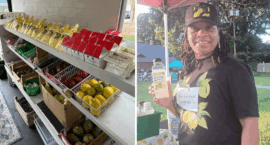
On Thursday nights, I walk a few blocks along my neighborhood’s cracked sidewalks to The People’s Market. SNAP is the glue that holds The People’s Market together, where most of the vendors are recipients selling at the market to supplement their incomes.

We’ve long known that the U.S. food system is upside-down. Instead of trying to fix this broken system, Congress is punishing the victims of its malfunctioning and is slashing SNAP to enact tax cuts for the rich. 

This Moment Is a Call to Action for Feminists Everywhere

Hard-won rights are steadily being rolled back. Authoritarianism is once again fashionable, dressed up in slogans and banners. And billionaires are calling the shots. This moment feels grim and hopeless—but it’s not. Consider it, instead, a call to action for feminists everywhere.

Ms. magazine was born for a time like this. Fifty-three years ago, Gloria. Steinem and a small band of determined women set out to create a magazine that didn’t whisper, didn’t apologize and didn’t avert its eyes from the truth. All these years later, Ms. remains—still defiant, still asking questions others won’t dare to touch, still answering those questions truthfully and boldly.

This Holiday Season, Forget Dieting: Commit to Your Communities Instead

For millions of women, the new year rings in a commitment to dieting. With the recent headlines that three quarters of Americans are now overweight or obese, we can expect surging spending on diet products targeting women this holiday season—adding to the estimated $33 billion that Americans already spend on commercial weight loss products each year.  

As an anthropologist who studies how people make sense of nutrition guidelines, I’d like to propose a feminist alternative. Forget dieting: Make a commitment to become involved in collective action—anything that involves joining others in your communities to work for change. It is by working with others that lasting health benefits will come about.

Ubuntu in Action: How Black Giving Circles Redefine Community Support

Black philanthropy has a rich history, exemplified by trailblazers like Madam C.J. Walker. As the first woman to become a self-made millionaire in America, Walker built her fortune by creating a successful line of hair care products for Black women. While she used her wealth to fund anti-lynching campaigns, give scholarships to women and more, her philanthropic journey began long before she amassed her wealth, as giving is deeply rooted in personal experiences and identity. 

Walker is just one of many Black philanthropists who have made significant contributions throughout history. While women like Rihanna and Janelle Monae are widely recognized for their charitable work, most Black philanthropists are working behind the scenes to make a big impact on countless causes in their community. This Black Philanthropy Month, it’s crucial to recognize both the historical and current landscape of Black giving, drawing important lessons from this legacy of generosity and community support.

This essay is part of a Women & Democracy package focused on who’s funding the women and LGBTQ people on the frontlines of democracy. We’re manifesting a new era for philanthropy—one that centers feminism. The need is real: Funding for women and girls amounts to less than 2 percent of all philanthropic giving; for women of color, it’s less than 1 percent. Explore the “Feminist Philanthropy Is Essential to Democracy” collection.