

Women in Politics Weekly Roundup: Miami’s First Woman Mayor; Congress Moves to Reform How We Vote; Forbes Ranks World’s 100 Most Powerful Women

Weekend Reading for Women’s Representation is a compilation of stories about women’s representation in politics, sports and entertainment, judicial offices and the private sector—with a little gardening mixed in!

This week:
—A seachange in New Mexico’s new women-majority legislature.
— The Ranked Choice Voting Act has been introduced in Congress, which would require RCV for all primary and general congressional races beginning in 2030, allowing voters to express their ranked support for multiple candidates.
—Eileen Higgins is elected as Miami’s first woman mayor. She ran on a platform of structural reforms: affordable housing, climate resilience, improved municipal governance and expanded representation.
—Australia enacts a nationwide ban on social media accounts for children under 16.
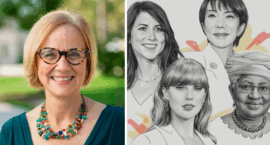
Forbes 2025 ranking of the world’s 100 most powerful women spotlights an increasingly diverse and influential generation of female leaders across business, politics, technology, media and culture.

… and more.
When the Federal Government Fails, Local Organizers Step In—With Laws, Not Just Protests

We are living through the hollowing out of federal protection. And while the usual narrative goes something like, “Vote, wait, trust the system,” in many places, the people closest to the chaos have stepped up to envision and advance new laws.

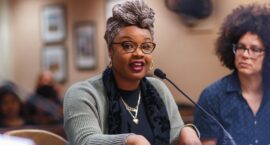
In California this year, four bills moving through the legislature were not the result of think tank white papers or party strategists. They came from organizers, queer folks, women of color, survivors—people who have lived the very broken systems they are now trying to change.

A process that centers lived experience as a form of policy expertise is a cutting-edge theory of governance. And it’s replicable: Invest in community-led policy training. Bring people into the lawmaking process not as tokens but as co-authors. Demystify legislative drafting. Reimagine who gets to define what safety, dignity and justice look like.

(This essay is part of a collection presented by Ms. and the Groundswell Fund highlighting the work of Groundswell partners advancing inclusive democracy.)

Philanthropy Can ‘Unlock Profound Change’ for Women and Girls in this Moment—and Women-Led Orgs Are Rising to the Occasion

Less than 2 percent of philanthropic giving in the U.S. directly benefits women and girls, a percentage that is likely even lower on a global scale. Amidst rollbacks on women’s rights, cuts to federal funding, economic uncertainty—and so many other issues and inequities that inevitably hit women and girls the hardest—philanthropy’s role is more important than ever.  

Women funders and donors, along with an increasing number of women-led philanthropic organizations, are rising to meet the moment, knowing that the benefits of centering women and girls are far reaching and profound.

Read timely takes on what women and girls need right now from funders—featuring Ana Marie Argilagos, president and CEO of Hispanics in Philanthropy; Brooke D. Anderson, president of Pivotal Ventures; Sarah Haacke Byrd, CEO of Women Moving Millions; Cecilia A. Conrad, CEO and founder of Lever for Change; Asha Curran, CEO of GivingTuesday; and Valerie Jarrett, CEO of the Obama Foundation.

As Reproductive Rights Collapse, Funders Are Disappearing. Why?

Grassroots organizations are on the frontlines of defending human rights at this moment. Yet, it’s alarming that major funders are leaving the field right when groups working to defend bodily autonomy and democracy need them most. 

In the 2024 presidential election, we saw the consequences of what happens when donors abandon grassroots organizations—where a billion dollars were raised for the Harris campaign at the expense of movement organizations in key battleground states. In a presidential election lost to low voter turnout, the decision to underfund grassroots groups—those best equipped to knock on doors and mobilize voters—proved dangerously short-sighted.

(This essay is part of a collection presented by Ms. and the Groundswell Fund.)

Why Democracy Needs Data—and What Happens When It Vanishes

In the first few months of Donald Trump’s return to the presidency, one thing has become crystal clear: The war on gender and racial equity is being waged in a new arena—on the battleground of data.

This fight isn’t waged with tweets or soundbites. It’s carried out through budget cuts, shuttered research programs and disappearing federal surveys. It’s a quiet but devastating assault on the tools we rely on to tell the truth—and to hold those in power accountable. And the message is chilling: If we can’t measure inequality, maybe we can pretend it doesn’t exist.

When race is stripped from maternal health reports, we overlook the crisis facing Black mothers. When LGBTQ+ identity is erased from youth surveys, we lose critical insight into mental health and safety. When disability status is omitted from labor market data, inequities in access and pay go unaddressed.

We need a renewed federal commitment to the research infrastructure that allows us to see and solve inequality—not ignore it.

‘Adolescence’ Is a Cautionary Tale of the Male Rage and Isolation Fueled by the Manosphere

Adolescence is a powerful cautionary tale about the destructive forces of the manosphere and the isolation many young boys face today. Through the lens of Jamie’s tragic journey, the show illuminates the profound impact of online misogyny, social media and a culture that discourages vulnerability in young men. As both a fictional story and a reflection of the real lives I’ve encountered, it serves as a stark reminder of the urgent need for adults—teachers, parents and communities—to guide boys through the confusion of adolescence and protect them from harmful online influences.

If we fail to act, the tragedy we see in Adolescence may become a reality for more young men.

Medicaid Insures Half of U.S. Children. ‘Pro-Life’ Republicans Are Trying to Cut the Entire Program.

Republicans’ proposed Medicaid cuts would strip healthcare from millions, including half of U.S. children, one in five Americans, and 40 percent of all pregnant women.

With so much at stake for America’s women and families, representatives in Congress should be working to strengthen and expand Medicaid and the coverage it provides, rather than decimate a program that touches the lives of over two-thirds of this country. The fact that these cuts are even proposed, let alone have passed, is a sign that we are in an unprecedented moment of extremism.

For the First Time in History, Women Will Have Serious Philanthropic Power. Will They Choose to Use It?

Women are at a historic moment financially. In 2020, McKinsey reported that by 2030, $30 trillion of assets would be passed down into the hands of women—called “The Great Wealth Transfer.” For the first time in history, women will have a serious seat as a cohort to make financial decisions and donations.

As wealth and power increasingly grow in the hands of a few, it is clear how the world of philanthropy has been overwhelmingly shaped and guided by men. However, with today’s pressing global challenges—from economic inequality to climate change—if women philanthropists don’t step up now, when will they? It’s time for women to not just participate, but to lead with bold, transformative giving.

What We’re Up Against: The Challenge of Fighting for Women’s Rights in 2025

As we enter 2025 at what seems to be a heyday of impunity for human rights abuses worldwide, autocratic leaders worldwide are taking note. In countries rich and poor, these leaders are flexing their muscles by curtailing our rights—to speak our minds, control our bodies, vote our consciences and have access to fundamental things as safe shelter, clean water and affordable nutrition, education and healthcare.

At WomenStrong International, our partners across the globe are seeing this ramp-up of restrictions up close.