
As 2025 comes to a close, we’re taking a moment to honor the wins—large and small—that reminded us progress is still possible. Here are a few feminist victories worth celebrating.


More Than A Magazine, A Movement

As 2025 comes to a close, we’re taking a moment to honor the wins—large and small—that reminded us progress is still possible. Here are a few feminist victories worth celebrating.
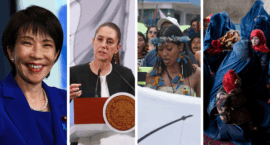
The U.S. ranks as the 19th most dangerous country for women, 11th in maternal mortality, 30th in closing the gender pay gap, 75th in women’s political representation, and painfully lacks paid family leave and equal access to health care. But Ms. has always understood: Feminist movements around the world hold answers to some of the U.S.’s most intractable problems. Ms. Global is taking note of feminists worldwide.
This week: News from Nigeria, Afghanistan, Japan and more.
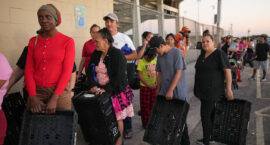
Throughout the United States, the millions of families that rely on Supplemental Nutrition Assistance Program (SNAP) benefits—which make up 12.3 percent of Americans—have spent at least 10 days without them. The uncertainties about whether they will return, and when, has left families desperate. For many, the crisis has reinforced what they’ve long felt: The nation’s social safety programs are failing to meet real, everyday needs—and across Iowa, Michigan and Pennsylvania, Americans are growing disillusioned with politicians who can’t protect their most basic ones.
For many disabled Americans, losing SNAP also means losing the nutritional needs that help keep them out of the floundering U.S. healthcare system. They shared with Ms. a glimpse into what the past 10 days without SNAP have looked like, and what millions of Americans who rely on these programs actually need.
“If I lose benefits, am I going to be able to remain going to school?”
“They’re thinking about next week. Will they have food? Will they be hungry?”
“The problem is, the rent always eats first, or the house payment is going to eat first. After that? Are you going to [get your] medicine? No, we [have to pay] our utilities…. then you [think], ‘Okay, I’ve only got enough for either food or my medicine.’”
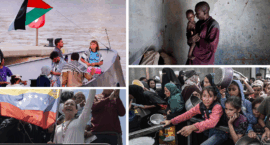
The U.S. ranks as the 19th most dangerous country for women, 11th in maternal mortality, 30th in closing the gender pay gap, 75th in women’s political representation, and painfully lacks paid family leave and equal access to health care. But Ms. has always understood: Feminist movements around the world hold answers to some of the U.S.’s most intractable problems. Ms. Global is taking note of feminists worldwide.
This week: News from Mali, Venezuela, Gaza, and more.
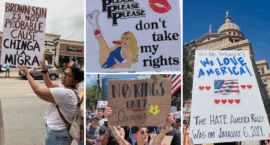
On Saturday, Oct. 18, 2025, millions of Americans poured into the streets for the second No Kings protest this year. Organizers from hundreds of national and local progressive groups say nearly 7 million people participated in about 2,700 different No Kings events. In every state, in cities big and small, protesters used signs, costumes and chants to double down on democracy and accuse President Donald Trump of behaving more like a monarch than an elected official during his first 10 months back in office.
Marchers carried “We the People” signs and references to the U.S. Constitution, including: “The Constitution is not optional,” “Democracy not monarchy” and “No kings since 1776.” Signs and chants varied by region: In New York City, protesters dressed up as the Statue of Liberty; in Florida, signs said the Florida heat would melt ICE; in Texas, marchers called for Gov. Abbott and Sen. Cruz to stand up to the Trump administration’s abuses of power.
Here are some of our favorite signs from Saturday’s No Kings protests.